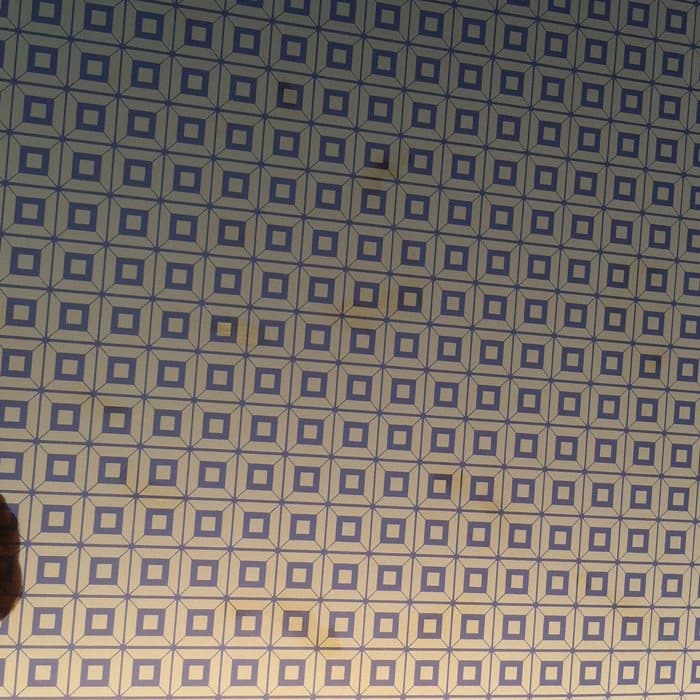
A mashrabiya is a screen that does three jobs at once: it filters the sun into a pattern of light, it lets air move, and it gives the people behind it privacy while they look out. In the traditional houses of the region it was turned wood; today it is most often a metal panel, and the geometry that came from the wooden lattice — the eight-pointed star, the interlocking hexagon, the rosette — is one of the most recognisable vocabularies in the architecture of the Gulf. We make mashrabiya in metal from the designer's drawing: the pattern is cut or perforated into the sheet, the panel is folded or framed to stay flat and stiff, and the surface is finished in the same facility.
Where mashrabiya is used
- Facade screens and sunshades — panels fixed in front of glazing to cut solar gain and give the building its skin, supplied flat or folded into cassettes.
- Partitions and lobby screens — free-standing or framed panels that divide a space without closing it.
- Balustrade infill — a patterned panel in place of glass or bars, in the geometry of the building.
- Ceilings and light features — perforated planes that filter light and hide services.
- Doors, gates and window guards — the pattern carried into the moving elements of the building.
Patterns and finishes
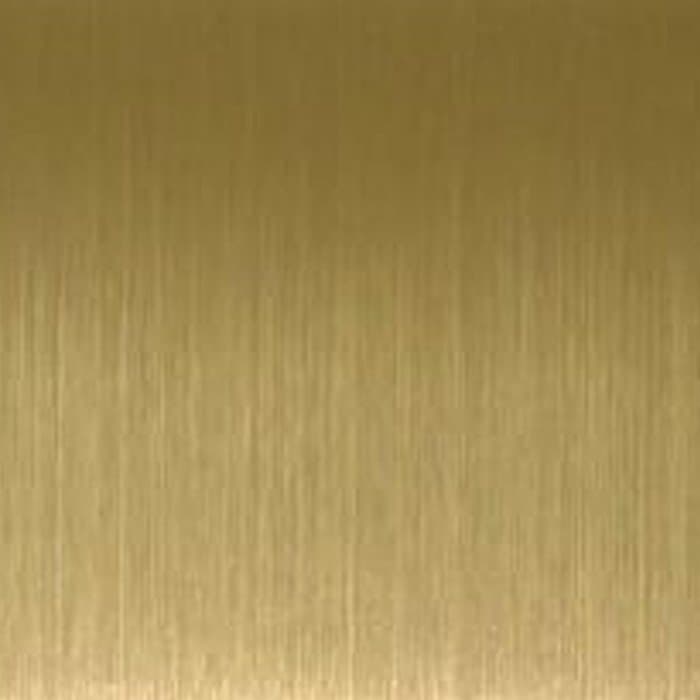
Patterns may include traditional Islamic geometry — stars, hexagons, rosettes and interlaced bands — and contemporary work: graduated patterns whose openings change across a facade, an image or a calligraphic form translated into hole sizes, or a pattern drawn new for the project. Both kinds come from the same kind of file. Finishes may include brushed and mirror stainless steel, PVD colours such as gold, bronze and champagne, and painted or anodised aluminium, with the finish chosen after the geometry is settled because the reflection changes how the pattern reads.
What decides whether a pattern works
- Open area — the share of the sheet removed. Enough for the light, the air or the view; not so much that the panel loses its stiffness.
- Bridge width against thickness — the narrowest strip of metal between two openings has to survive the cut, the handling and the heat. Thicker sheet allows finer bridges.
- Scale and viewing distance — a pattern that reads as filigree at arm's length reads as texture from the street; the repeat is chosen against where the panel is seen from.
- Fixing and framing — folded edges or a frame give back the stiffness the pattern took away, and cutting, folding and finishing in one place means those decisions are made together.
From your drawing to installed screens
- Send the pattern — your drawing as a vector file, a reference from our mashrabiya catalogue, or a sketch our team can redraw.
- We confirm material, thickness and open area — and whether the geometry needs a change to stay flat and cut cleanly.
- Cutting, folding and finishing — the panels are produced, framed where the design needs it, and finished to the agreed sample.
- Delivery — flat panels or framed cassettes, marked for the installer.