Oil & Gas
Pressure vessels, storage tanks, skid packages and piping fabrication for upstream and downstream facilities.
Oil and gas work is specification-driven: material certificates, welding procedures, code compliance and documented traceability from plate to nameplate. Our industrial engineering division in Jeddah fabricates pressure vessels, storage tanks, skid-mounted packages and process piping to project specification for upstream, midstream and downstream facilities across Saudi Arabia, with material supplied from our own stainless and alloy stock.
The page below explains what we take on, how the grade is chosen for a given service, what a well-prepared enquiry contains, and the questions engineers most often raise before they send one. Scope, codes and testing requirements are always confirmed against the data sheet, never assumed from a catalogue page.
What we fabricate for oil and gas facilities
- Pressure vessels: separators, knock-out drums, filters, scrubbers and air receivers, fabricated and tested to the project code and inspected against the approved drawing.
- Storage tanks: shop-built tanks for chemicals, produced water, condensate, fuel and utilities, in carbon steel or stainless steel as the stored product requires.
- Skid packages: chemical injection, metering, filtration and pumping skids, piped, wired to the panel and pressure-tested before dispatch so they arrive as one lift.
- Process piping: spools and manifolds in carbon steel, stainless steel and duplex, welded to the qualified procedure and documented weld by weld.
- Steel structures: pipe racks, equipment supports, platforms and access steel for plant areas, supplied with the vessel and piping packages or on their own.
Choosing the grade for the service
Most oil and gas fabrication starts in pressure vessel carbon steel. A516 grade 70 is the usual plate for vessels and drums, with A516 grade 60 where the specification calls for it and P265GH on projects written to European codes. Structural steel for racks and supports is normally A36 or S355JR, decided by the design code the structural engineer is working to.
Stainless and higher alloys enter where the process stream carries chlorides, acids or sour gas. 316L covers the wide middle ground of wet, mildly corrosive service. Duplex 2205 is the common step up for produced water, seawater cooling and chloride-bearing streams where pitting decides the life of the equipment. Where temperature and chlorides both climb, super duplex 2507, Incoloy 825 and Hastelloy C-276 are the alloys the process engineer will be weighing.
Each grade page carries the chemistry, the density used for weight and the mechanical values with their standard, product form and condition, so the number you quote in a specification is the number the mill certificate will be checked against. For a first pass at pitting resistance, the PREN calculator compares candidate grades from their composition.
Documentation and traceability
Every technical row on this site carries its source, and every fabrication package carries its material. Plate and pipe are received with mill test certificates, heat numbers are transferred to the cut parts and recorded on the as-built drawing, and welding is performed to qualified procedures by qualified welders with the records filed in the final documentation. The article on 3.1 versus 3.2 mill test certificates explains which level of certificate a specification is asking for and when third-party witnessing is worth its cost.
Non-destructive examination, hydrostatic testing, surface preparation and painting are scoped from the data sheet. Where the project inspector or a third-party agency holds hold points, they are written into the inspection and test plan before fabrication starts.
What a good enquiry contains
The quickest route to a firm quotation is a complete data sheet. For a vessel or tank that means design pressure and temperature, the fluid and its corrosivity, the nozzle schedule, the code and any client specification that overrides it, and the required documentation level. For piping it means the line list, the piping class and the isometrics. For a skid it means the process and instrumentation diagram and the vendor data for the equipment mounted on it.
If the design is not yet fixed, send what exists and say what is open. Our engineers respond against the information available and list the assumptions they made, so the quotation can be firmed up rather than started again. Material weights for budget purposes can be checked on the metal weight calculator before an enquiry goes in. When the package is defined, send the enquiry with the sector named and the drawings attached.
Common questions
Do you fabricate to the client's specification or to your own standard?
To the client's. The project code sets the minimum and the client specification usually tightens it, so the data sheet and the specification govern every decision, from plate grade to the level of radiography. Where a requirement is unclear or two documents conflict, we raise a technical query before fabrication rather than choose the convenient reading.
Can you supply the material as well as fabricate it?
Yes, and for most packages that is the point. Carbon steel plate, stainless sheet and plate, pipe and fittings come from our own stock, which removes the wait for a separate mill order and keeps the material certificates in one file with the fabrication records. Alloys we do not hold are sourced against the enquiry with their certificates.
Which stainless grade should replace carbon steel in a corrosive line?
That is an engineering decision made against the process data: chloride content, temperature, oxygen, pH and flow all matter. The grade pages for 316L and duplex 2205 give the chemistry and the resistance class to compare, and the PREN calculator ranks candidates from their composition. Send the stream analysis and we will recommend against it.
How do skid packages arrive on site?
Assembled, piped, wired to the local panel and pressure-tested in the works, then shipped on their own base frame with lifting points marked. Site work is reduced to setting, anchoring and tying in the battery-limit connections. Loose-shipped items, if any, are listed on the packing list with their tag numbers.
What serves this industry
 01Pressure VesselsFabrication of pressure vessels to approved drawings and the codes named in your specification — with the documentation to prove it.View service
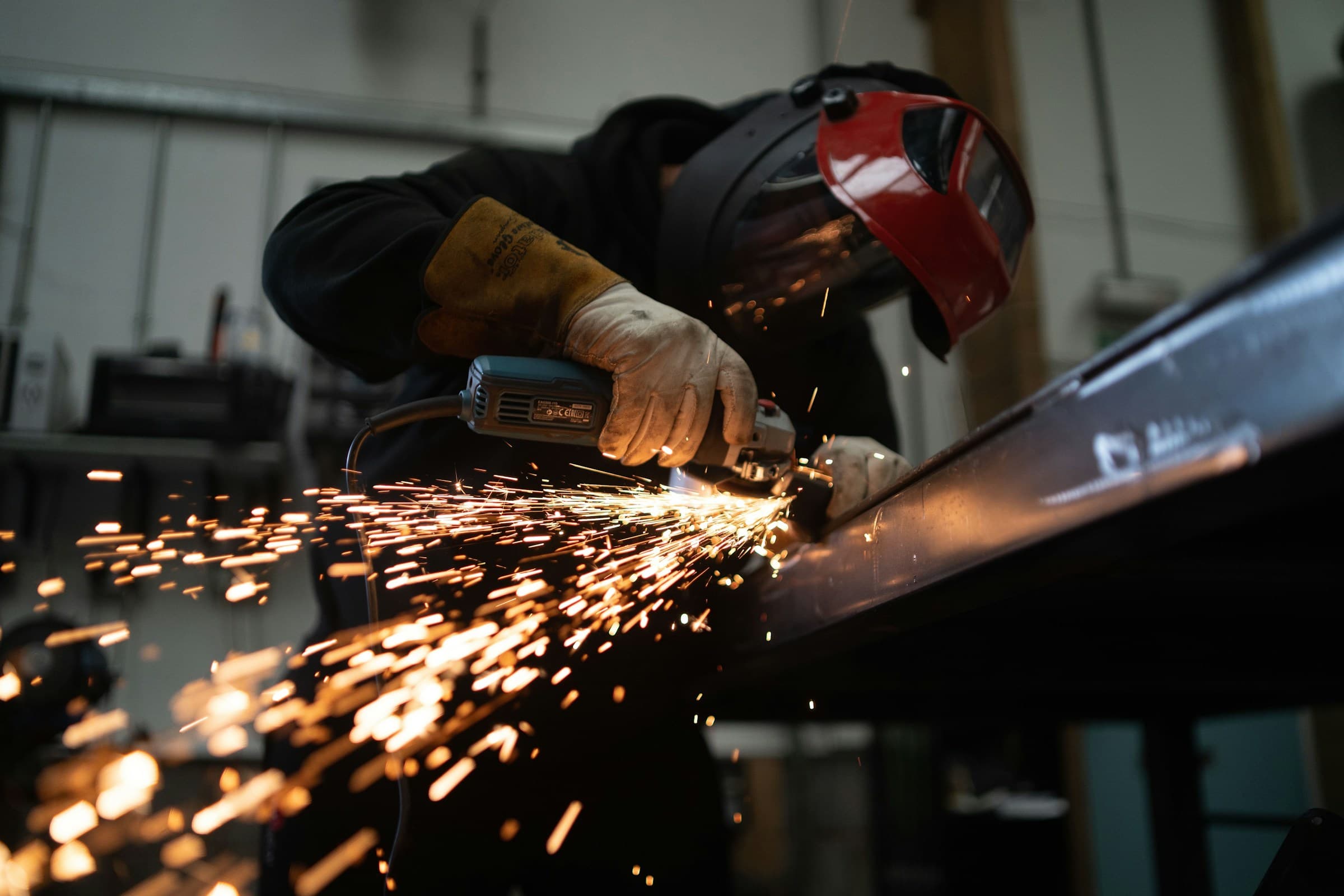 02Storage TanksShop-fabricated storage tanks in stainless and carbon steel, built to your drawings with material traceability throughout.View service
 03Skid PackagesStructural skid frames and mounted process packages — fabricated, assembled and documented as one deliverable.View service
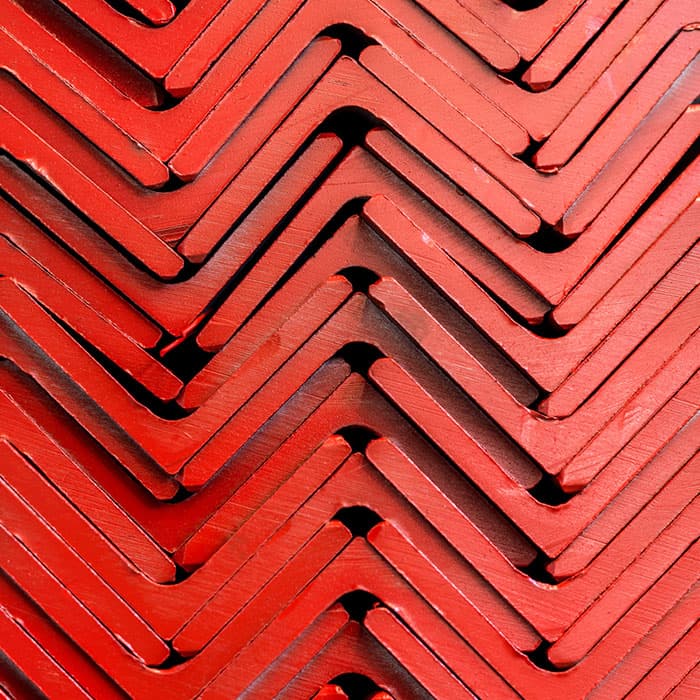 04Steel StructuresFabricated structural steelwork — platforms, supports, access steel and racks, built to drawing and marked for site assembly.View service
- 05Pressure PipingPipe spool fabrication to your isometrics — qualified welding, weld traceability and NDE to the extent your specification requires.View service
Working in this industry?
Send the enquiry with your sector named — it reaches the division that serves it, with the context attached.