Construction
Steel structures, processed sheet and plate, and architectural metal packages for building projects.
Construction programmes need metal in two forms: structural packages, meaning fabricated steelwork, supports, platforms and stairs, and processed material cut, bent and perforated to the drawing for the architectural and services trades. We handle both from the same works in Jeddah, backed by our own material stock, which shortens the chain between a revision on the drawing and steel on site for contractors in Riyadh, Jeddah, Dammam and the new developments between them.
Architectural metalwork, meaning cladding panels, screens, balustrade infills, canopies and feature elements, comes from the same processing lines, so the structural and decorative packages of a project can sit with one supplier and one set of shop drawings.
What we fabricate and supply for building projects
- Steel structures: secondary steelwork, mezzanines, platforms, stairs, canopies, equipment supports and plant-room steel to the engineer's drawings.
- Laser cutting of sheet and plate in stainless, carbon steel and aluminium for brackets, plates, panels, signage backings and services supports.
- Bending and plate rolling for channels, angles, flashings, curved cladding and rolled sections.
- Perforation and expanded metal for screens, ceilings, sunshades, ventilation panels and guards.
- Lift cladding and architectural panels in brushed, mirror and PVD-coloured stainless, from the architectural product range.
Choosing the grade for structure and envelope
Structural steel follows the design code. S355JR and S275JR are the usual grades on European-code projects, A36 and A572 grade 50 on American-code projects, with the grade named on the drawing and confirmed by the mill certificate before cutting. The carbon equivalent calculator is a quick weldability check when a plate arrives with unfamiliar chemistry.
Exposed metal on the envelope is a corrosion decision as much as an appearance one. Inland, in Riyadh, 304 serves most external stainless work well. On the coasts, 316L is the floor for anything that faces the sea air, and the article on carbon steel versus stainless for Gulf structures covers when coated carbon steel is the economical answer and when it is a maintenance liability. For lightweight cladding and sunshades, aluminium 5052 and 6063 are the common sheet and extrusion alloys.
Each grade page carries the chemistry, density and mechanical values with their standard, product form and condition, so the specification and the certificate speak the same language.
Processing that fits a site programme
Site programmes slip, drawings revise and quantities change, and a processing supplier is judged by how it absorbs that. Cutting from our own stock means a revised bracket or an extra run of panels is a new drawing file, not a new mill order. The article on laser, waterjet and plasma cutting explains which process suits which thickness and edge quality, and perforated sheet open area, hole size and pitch helps specify a screen before the pattern is fixed.
Delivered quantities are reconciled by weight as well as count, and theoretical versus actual steel weight explains why the two never match exactly and how to write the order so there is no dispute at the gate.
What a good enquiry contains
For structures: the engineer's drawings, the connection design or the instruction to produce it, the grade and the coating system. For processed parts: the drawing files, grade, thickness, quantity, finish and whether bending, welding or perforation is included. For architectural panels: the elevation, the finish reference and the fixing method. Budget weights can be checked on the sheet and plate weight calculator. When the package is defined, send the enquiry with the project location named, since it changes the grade offered for exposed work.
Common questions
Can you take the structural steel and the architectural metal on one order?
Yes, and it is usually the cleaner arrangement. One supplier producing the plant-room steel, the canopy and the lift cladding works from one set of shop drawings, delivers to one site programme and issues one documentation package, which removes most of the interface arguments between trades.
Which steel grade should we specify for secondary steelwork?
Whichever the structural engineer's code calls for: commonly S355JR or S275JR on European-code projects and A36 or A572 grade 50 on American-code projects. If the drawing leaves it open, we propose a grade against the code and the connection design and confirm it on the shop drawing before cutting.
Is 304 stainless acceptable for external cladding in Saudi Arabia?
Inland, generally yes. Within reach of coastal salt air, 316L is the usual minimum for surfaces that are not regularly washed by rain, and duplex grades are considered where a bright finish must stay unstained. Tell us the city and the exposure and we will recommend the grade and finish for it.
How quickly can revised parts be turned around?
Cutting from our own sheet and plate stock removes the mill lead time, so a revised drawing file becomes a new cut list rather than a new material order. The turnaround itself depends on the queue, the material and whether bending or finishing follows the cut, and it is quoted with the enquiry rather than promised here.
What serves this industry
 01Laser CuttingPrecision laser cutting for sheets and plates in stainless steel, aluminium, carbon steel and other suitable materials — from one-off prototypes to repeat production runs.View service
 02BendingCNC bending and folding of sheet and plate in stainless steel, aluminium and carbon steel — brackets, enclosures, cladding panels and trays, formed to your drawing.View service
 03PerforationPerforated and patterned sheet in stainless steel, aluminium and carbon steel — facade screens, balustrade infill, ceilings, grilles and mashrabiya, in standard or custom patterns.View service
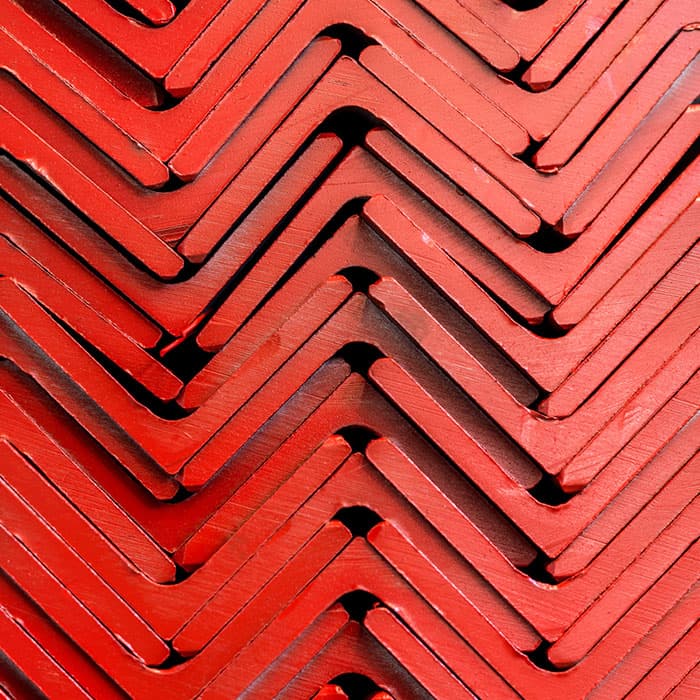 04Steel StructuresFabricated structural steelwork — platforms, supports, access steel and racks, built to drawing and marked for site assembly.View service
Working in this industry?
Send the enquiry with your sector named — it reaches the division that serves it, with the context attached.