Aluminium
Products · 4
Aluminium sheet, plate, coil, chequered plate and extrusions in the 1000, 3000, 5000 and 6000 series alloys, supplied from stock in Saudi Arabia and cut, slit or folded to order.
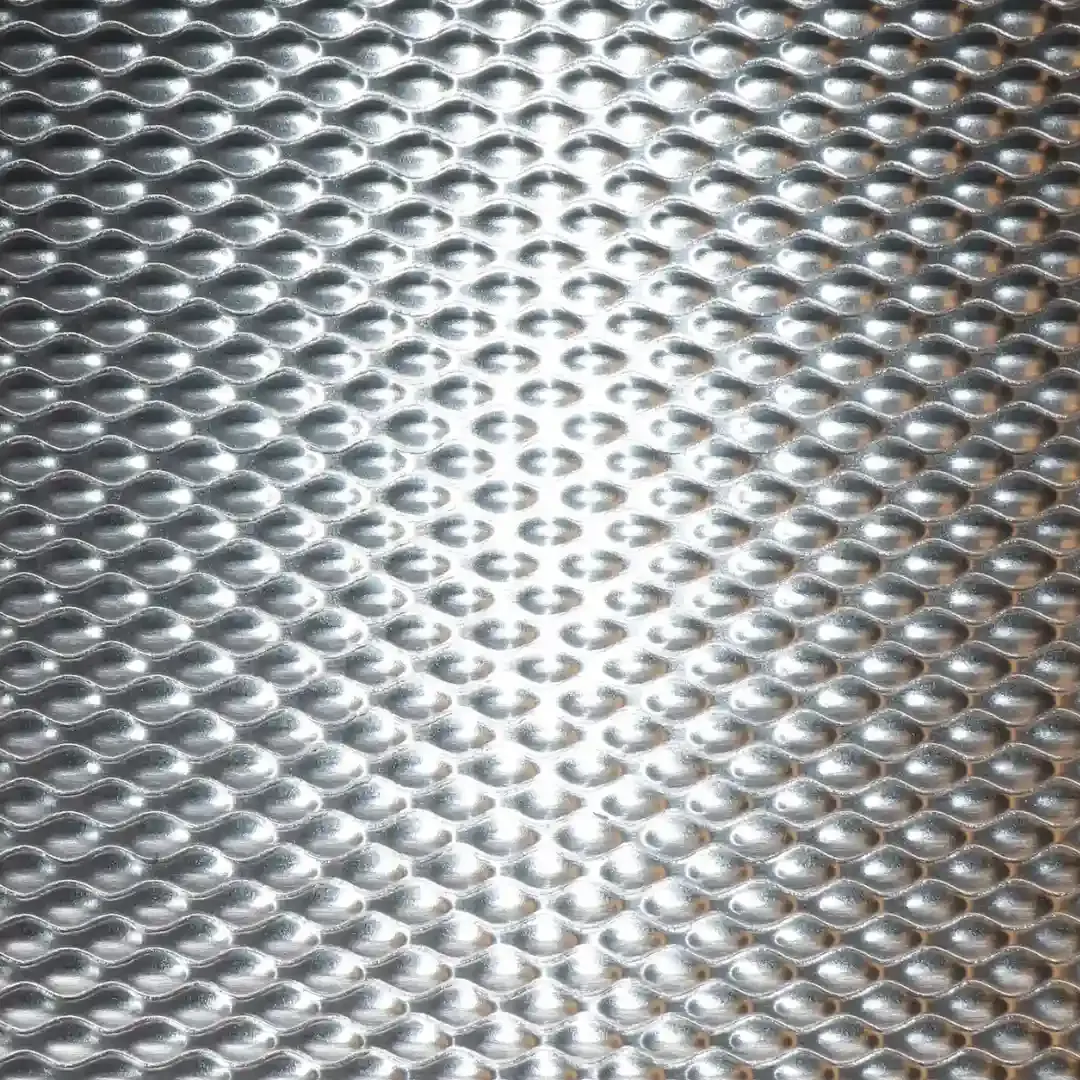 AL-EMB-SHAluminium embossed sheetsFlat products
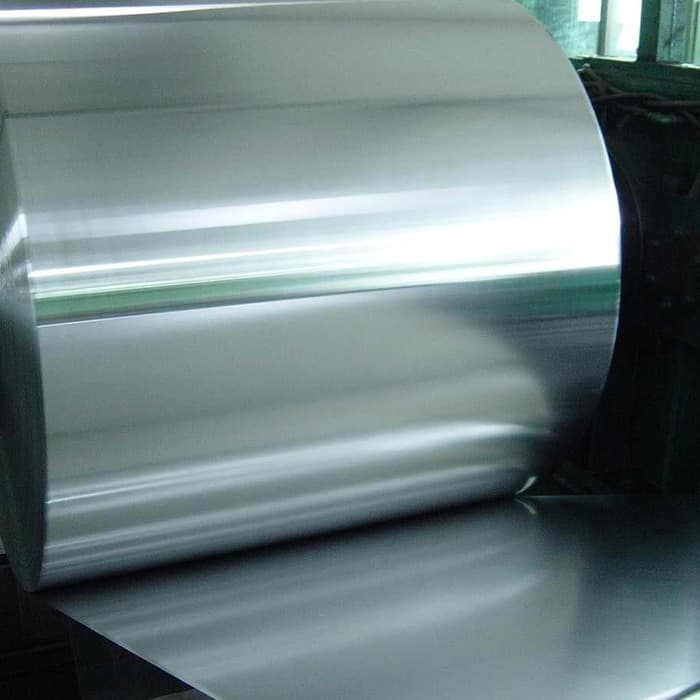 WP-454Aluminium coilFlat products
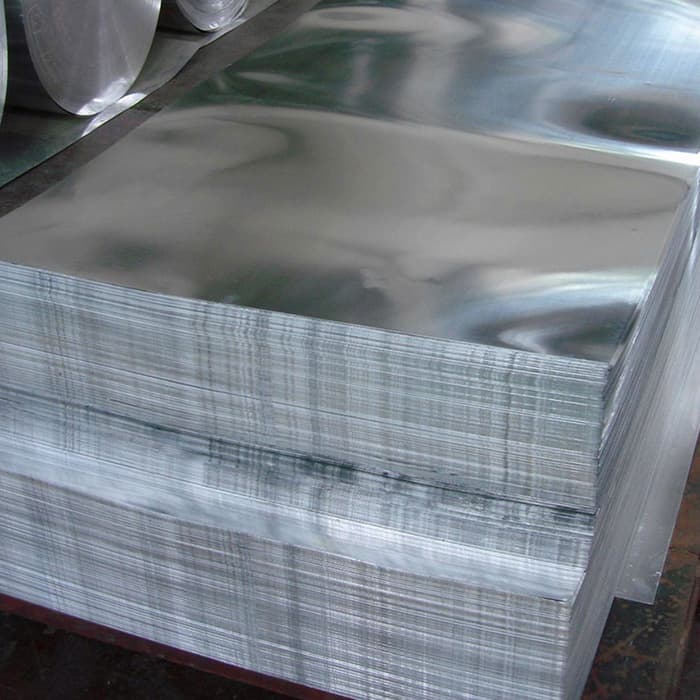
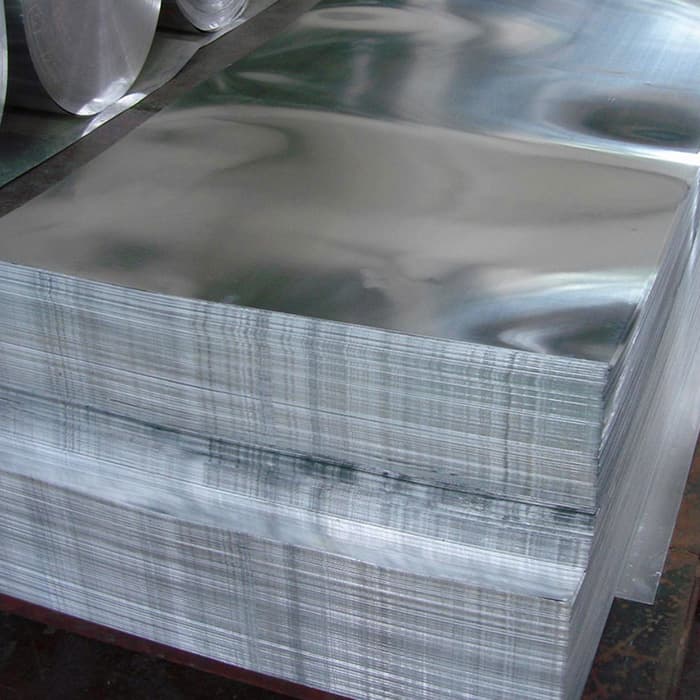 WP-456Aluminium sheets and platesFlat products
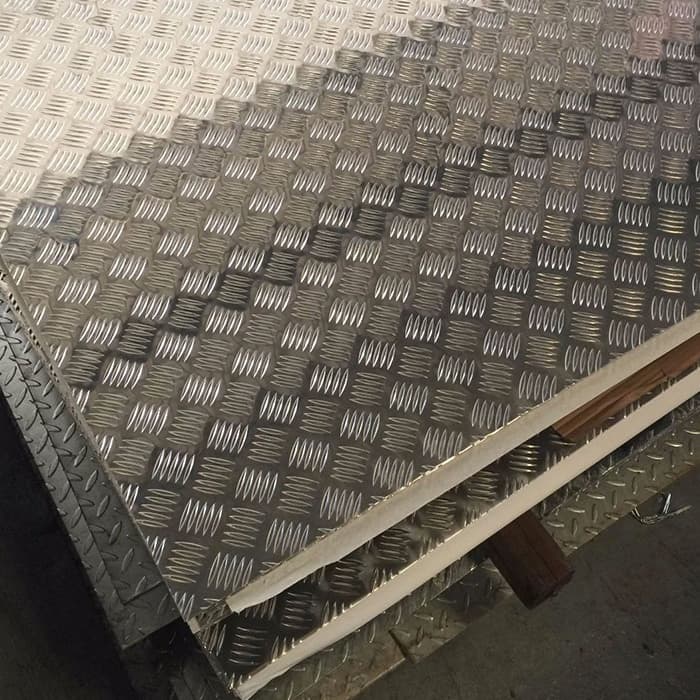 WP-458Aluminium chequered sheetsFlat products
Aluminium is the light option in the catalogue: a third of the weight of steel, naturally resistant to corrosion, and easy to cut and fold. It carries cladding, signage, ducting, tread plate and machined parts, held in the same works as the stainless range.
The stock follows the alloy series rather than a single grade. 1050A and 1100 are soft, pure alloys for spinning and chemical work. 3003 is the general-purpose sheet. 5052 and 5083 add magnesium for marine and tank work. 6061 and 6082 are the heat-treatable structural alloys for plate and extrusion.
What the aluminium range covers
- Sheet and plate, mill finish or with a protective film.
- Coil, cut to length or slit to width on the coil-cutting and slitting lines.
- Chequered and five-bar tread plate for ramps, steps and vehicle floors.
- Tube, angle and flat bar in 6000-series extrusions.
Choosing the alloy
Pick by what the part has to do. Formed hard or spun: a 1000-series or 3003 sheet bends without cracking. Near seawater or holding liquid: 5052 or 5083 resists pitting and welds well. Carrying load as a bracket, frame or machined block: 6061 or 6082 gives the strength, though it is harder to form once heat treated.
Aluminium next to stainless steel
Many façades mix the two metals: an aluminium frame behind a stainless or mashrabiya panel, or stainless fixings through aluminium sheet. Where they touch and get wet, the aluminium corrodes first. The article on galvanic corrosion between aluminium and stainless steel explains how to isolate the joint and when the pairing is safe as drawn.
Processing and what a good enquiry contains
Aluminium sheet is laser cut for a clean edge and folded on the same brakes as stainless. An enquiry moves quickest when it carries:
- Alloy and temper, or the application if you want a recommendation.
- Thickness, sheet size or coil width, and the quantity by piece or by weight.
- Surface: mill finish, one-side film, or a decorative finish from the library.
- Any cutting, folding or drilling, with the drawing or DXF attached.
The aluminium weight calculator gives a theoretical weight from the alloy density, and the quotation form takes drawings and cut lists directly.
Common questions
Which alloy suits a coastal building in Saudi Arabia?
For cladding, soffits and screens near the Red Sea or the Gulf, 5052 is the usual sheet alloy because it resists salt-air pitting and forms well. Structural members behind it are normally 6061 or 6082 extrusions, anodised or powder coated where seen.
Can coil be cut to my width and length?
Yes. Coil is slit to the width you specify and cut to length on the same lines used for stainless. This suits duct shops, sign makers and cladding fabricators who want blanks rather than standard sheets.
Do you supply chequered plate for treads and ramps?
Yes. Chequered and five-bar tread plate covers stair treads, ramps, vehicle floors and platform walkways. It can be cut to the tread size and drilled for fixings before delivery, so the pieces arrive ready to fit.
How do I work out the weight of a sheet?
Enter the alloy, thickness and dimensions into the aluminium weight calculator. It applies the alloy density and returns a theoretical weight; delivered weight varies slightly with actual thickness inside the mill allowance.